How Art Improves the Lives of Canadians and Cultivates Our Collective Souls While Shaping the National Identity
Creative work plays a fundamental role in influencing the Canadian experience. It functions as a lens, reflecting the varied cultures and histories of the country. Indigenous art revitalizes traditions, while city murals depict community stories. Music bridges communities separated by great distances, creating a shared sense of belonging. These forms of art not only elevate individual experiences but also build a rich and layered sense of national identity. The full scope of art's influence on community and national pride warrants deeper investigation.
The Role of Indigenous Art in Shaping Canadian Identity
Indigenous art significantly influences Canadian identity, as it not only reflects the diverse cultures and histories of Indigenous peoples but also questions dominant narratives. This art form serves as an essential medium through which Indigenous voices convey their experiences, traditions, and worldviews. Each creation, whether it be a painting, sculpture, or textile, captures distinctive stories that connect with both Indigenous and non-Indigenous audiences.
In addition, Indigenous art serves a vital function in fostering unity and awareness among multicultural communities. By displaying the rich heritage and persistent struggles of Indigenous peoples, it sparks discussion and encourages a deeper appreciation of Canada's multifaceted history. Art galleries and community spaces are increasingly showcasing Indigenous artists, giving their creations access to larger audiences. This presence not only enhances the cultural environment but also promotes the restoration of Indigenous languages and practices, thereby fostering a more cohesive national identity that acknowledges all its members.
Street Murals and Cultural Richness in Canada
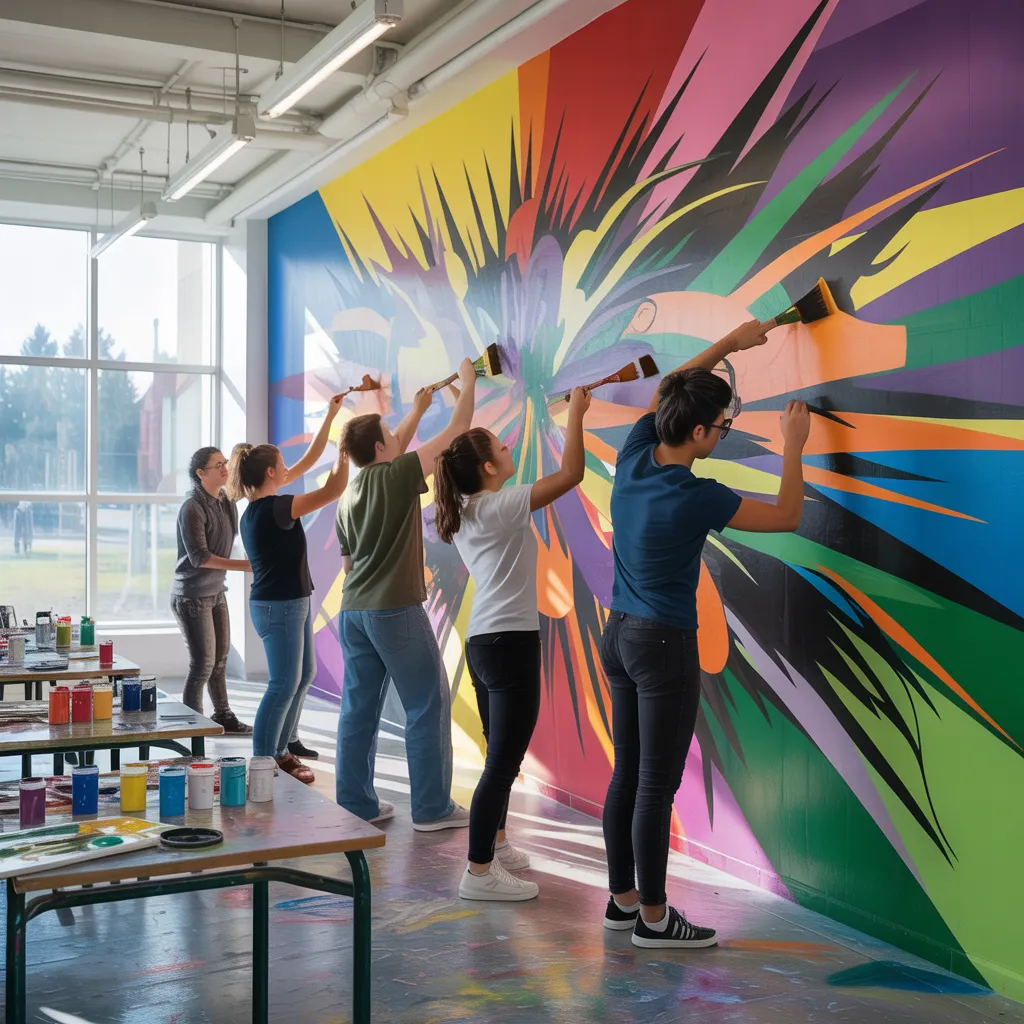
Canadian urban murals act as powerful visual narratives that showcase the country's vibrant cultural mosaic. These creative works reimagine urban landscapes, turning ordinary spaces into dynamic representations of community and identity. By means of this art form, artists share tales that illustrate the multifaceted experiences of numerous ethnic communities, encouraging a broader appreciation of Canadian identity.
Exploring Cultural Expressions
All across Canada, striking city murals function as striking surfaces that showcase the rich multicultural fabric of the nation. Such murals, frequently crafted by community artists, capture the narratives, customs, and principles of numerous communities, cultivating a spirit of unity and belonging. Not only do they enhance city environments but also spark discussion between community members and visitors, promoting understanding and appreciation of different cultural narratives. By visually capturing the essence of multiculturalism, these creations strengthen a collective national identity, underscoring the value of inclusiveness. Occasions like mural festivals deepen this bond, bringing people together to celebrate artistic expression. Ultimately, these murals stand as symbols of the dynamic tapestry of Canadian society, deepening personal and communal connections through artistic work.
Reimagining Urban Spaces
While exploring the vibrant settings of essential resource Canadian cities, we cannot help but notice the transformative power of city murals. These striking pieces not only enhance communal areas but also embody the rich diversity inherent in Canadian society. These artworks act as a platform for overlooked perspectives, sharing narratives of heritage, resilience, and community identity. Artists from various backgrounds collaborate to create pieces that promote exchange and mutual respect among community members. Major urban centers such as Toronto, Montreal, and Vancouver have embraced this art form, turning walls into expressions of collective identity and harmony. As public murals continue to thrive, they reinforce a unified cultural narrative, elevating the metropolitan environment and deepening the appreciation of residents while celebrating the rich tapestry of their collective narratives.
The Impact of Music on Canadian Community Connection
Sound weaves an essential thread through the fabric of Canadian communities, nurturing connections that cross boundaries of culture and geography. In communities and cities across the country, local musicians and community events provide venues for shared experiences, inviting diverse groups to interact and work together. Concerts, festivals, and open mic evenings serve as venues for cultural celebration, uniting people of diverse origins under the unifying power of melody.
In addition, music holds a significant place in preserving cultural heritage, permitting Indigenous, French, and newcomer communities to exchange their narratives and customs. Through fostering inclusivity and awareness, music fortifies community connections, fostering conversation and unity among Canadians. Regional schools and community spaces often organize musical initiatives that nurture talent and build lifelong friendships, deepening the fabric of community relationships. Ultimately, music's influence across Canada not only enhances individual lives but also fosters a spirit of inclusion and togetherness across the wider community.
How Art Fuels National Conversations
Artistic expression inspires national conversations by questioning assumptions and encouraging debate on political, cultural, and societal topics. Through various mediums, cultural contributors confront pressing topics such as climate change, identity, and immigration, establishing a space for dialogue among citizens nationwide. Music, literature, and visual art serve as mirrors reflecting a broad range of viewpoints and experiences, fostering empathy and understanding.
Exhibitions, performances, and literary readings often spark debates, inviting audiences to engage critically with the narratives presented. These forms of artistic expression are capable of galvanizing communities, fostering shared activism and meaningful advocacy.
Additionally, creative expression transcends regional differences, joining people from various backgrounds in mutual discourse. This shared engagement cultivates a feeling of community and collective identity, as Canadians reflect on their principles and ambitions through imaginative creations. In the end, art serves as a driving force behind contemplation and discussion, elevating the national conversation and nurturing a more inclusive society.
The Way Art Reflects History and Educates
Art acts as a vital chronicle of history, documenting pivotal moments and cultural changes that shape Canada's national identity. Through various forms, it expresses cultural narratives that represent the varied perspectives and insights within the nation. Additionally, artistic expression establishes an educational platform, cultivating awareness and appreciation of these rich historical and cultural backgrounds.
Art As a Historical Record
Over the course of history, numerous works of art have acted as invaluable windows into the past, offering perspectives on the cultural, social, and political landscape. Artistic works preserve moments in time, reflecting the zeitgeist of particular eras while providing a story that enriches historical records. Sculptures, paintings, and various other art forms commonly chronicle major events, shifts in society, and the everyday lives of people. To illustrate, historical art can represent battles, social movements, or ordinary existence, allowing viewers to grasp the emotions and complexities of those times. Moreover, art has the power to contest established interpretations, providing alternative perspectives that enrich understanding of history. By engaging with these artistic records, individuals can educate themselves about the multifaceted nature of their heritage, nurturing a more profound link to their societal identity and communal heritage.
Cultural Narratives Through Art
Though commonly dismissed, the role of creative expression in forming cultural narratives is profound and multifaceted. Artwork functions as a mirror capturing societal beliefs, hardships, and victories, weaving together the fabric of history and identity. Through various forms—photography, painting, and sculpture—artists capture defining moments and emotions, helping observers comprehend the complexities of their collective past. For instance, Indigenous art regularly expresses stories of endurance and relationship with the earth, while modern pieces may critique modern societal issues. These cultural productions provide insight into the diverse experiences that define Canada, fostering a deeper understanding of its multicultural landscape. Ultimately, art does more than record history as it also nurtures a shared narrative, enriching the cultural dialogue among Canadians.
Learning Through Creative Expression
Artistic expressions significantly enrich learning experiences by offering distinctive perspectives through which history can be understood. Creative works, such as paintings, music, and literature, serve as reflections of social values and historical frameworks, allowing individuals to engage with past events on a deeper level. Such creations not only embody the spirit of particular periods but also inspire analytical thought and heartfelt reactions. As an example, Indigenous artwork frequently conveys tales of strength and cultural heritage, encouraging recognition and admiration of multiple perspectives. By integrating art into educational curricula, students gain insights into their national identity and collective memory. This approach cultivates compassion and awareness, consequently elevating the academic experience and deepening a mutual appreciation for Canada's rich historical tapestry.
Cultivating National Pride Through Shared Creative Experiences
Art serves as a powerful medium through which Canadians can establish and nurture a sense of collective pride, as mutual artistic experiences foster a shared sense of identity. Performances, cultural festivals, and art exhibitions bring together diverse communities, permitting individuals to honor their heritage while embracing the diversity of others. This collective engagement fosters a deeper connection among Canadians, solidifying the notion that art rises above regional and linguistic divides.
In addition, symbolic national imagery in art—including the renowned landscapes depicted by Canadian painters—evoke a sense of belonging and shared history. Such depictions act as reminders of the nation's distinctive beauty and core values. When Canadians experience art together, they also interact with the story of their nation, deepening their pride in their cultural identity. At their core, these communal experiences not only enrich individual appreciation of the arts but also help build a strong and cohesive national identity, celebrating the multifaceted nature of Canadian culture.
Popular Questions Answered
How Does Art Influence Mental Health in Canadians?
Creative expression profoundly impacts emotional wellness in Canadians by encouraging emotional expression, reducing stress, and improving general well-being. Engaging with a variety of art forms promotes reflection and connection, making a positive contribution to individual and communal mental health outcomes.
What Impact Do Art Festivals Have on Local Economies?
Art festivals significantly enhance local economies by generating tourist activity, increasing sales for local businesses, and producing seasonal job opportunities. They encourage community involvement and facilitate cultural exchange, ultimately improving economic prosperity and social harmony throughout the region.
What Are the Best Ways to Enhance Art Education in Canadian Schools?
The quality of art education in Canadian schools can be elevated by embracing varied artistic disciplines, expanding budget allocations for art supplies and materials, fostering partnerships with local artists, and prioritizing cross-curricular methods that link art to other academic areas to enhance student engagement and creativity.
What Lies Ahead for Digital Art in Canada?
The trajectory of digital art in Canada seems encouraging, with advancements in technology nurturing creative growth. Improved availability to creative digital resources will probably inspire up-and-coming artists, promoting innovation and collaboration within Canada's artistic community.
How Does Art Promote Environmental Awareness Among Canadians?
Art cultivates awareness of environmental issues among Canadians by creatively portraying environmental challenges, inspiring dialogue, and fostering a sense of responsibility. Through various mediums, it motivates individuals to reconsider their relationship with nature and advocate for sustainability.